Weaving Dreams: The Women of Bhuj
Ananya Singh
Published on Oct 24, 2023
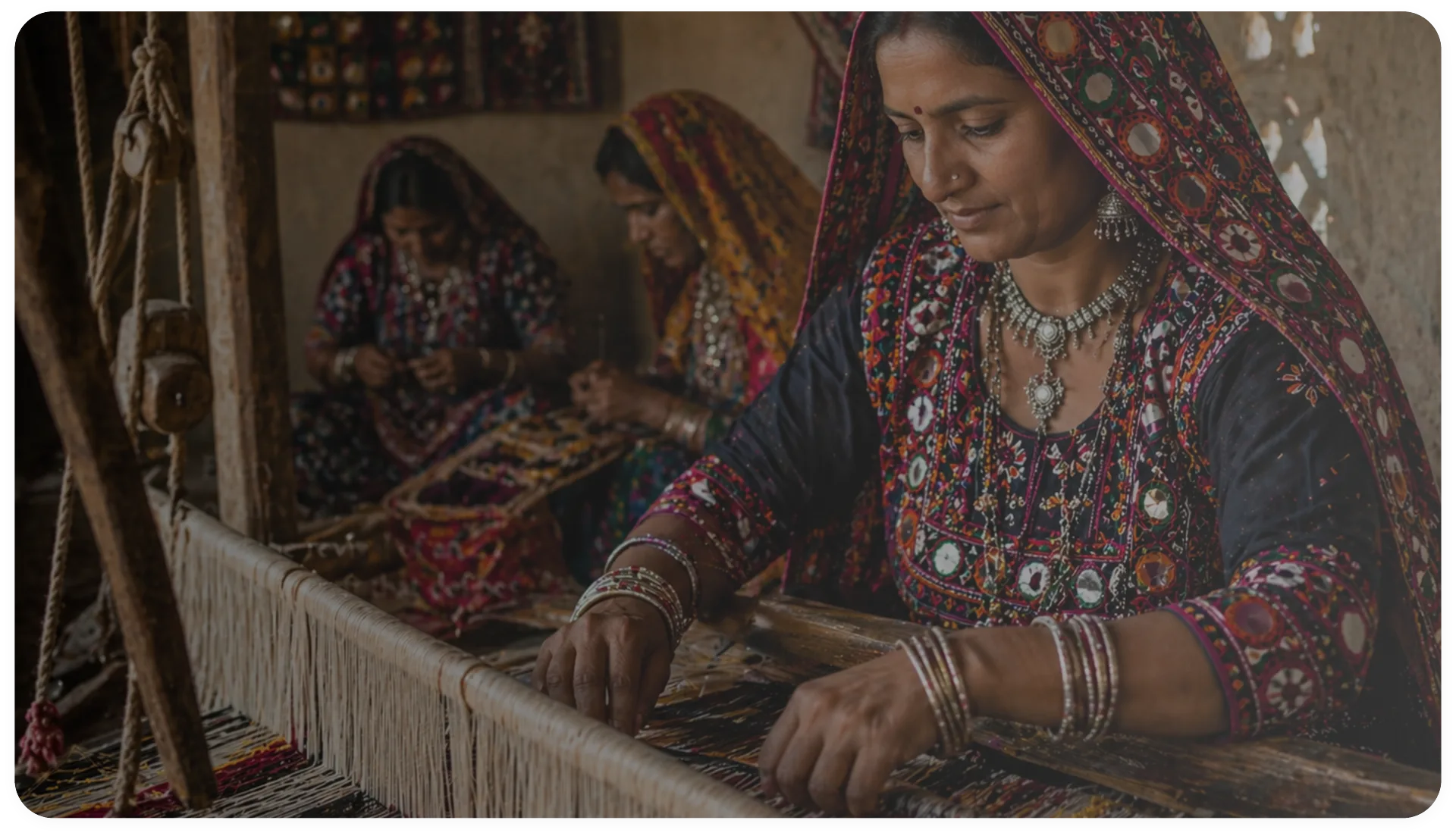
Artisans working on traditional looms in Bhuj.
In the arid landscapes of Kutch, where the horizon meets the endless salt desert, a quiet revolution is taking place. It is not fought with weapons, but with shuttles and threads.
For centuries, the Vankar community of Bhuj has been known for their exquisite weaving. The rhythmic clack-clack of the loom is as familiar here as the harsh desert wind. However, in recent decades, this tradition faced an existential threat. Mass-produced textiles and synthetic fabrics began to flood the markets, pushing these artisanal masterpieces to the brink of irrelevance.
A Tradition in Peril
"Ten years ago, my husband wanted to sell our loom for firewood," says Ramilaben, a 45-year-old master weaver. "There was no money in it. The younger generation was leaving for cities to work construction jobs."
The decline wasn't just economic; it was cultural. The intricate motifs—each telling a story of the land, the flora, and the community's folklore—were disappearing. The technique of Tangaliya weaving, specific to this region, requires immense precision and patience, traits that were undervalued in a fast-fashion world.
"We realized that if we didn't save the craft, we would lose ourselves. Our identity is woven into these cloths."
The Cooperative Model
Enter the ZaruriHai Artisan Initiative. By organizing the scattered weavers into a cooperative, we helped them bypass middlemen and access premium markets directly. But more importantly, the women took charge.
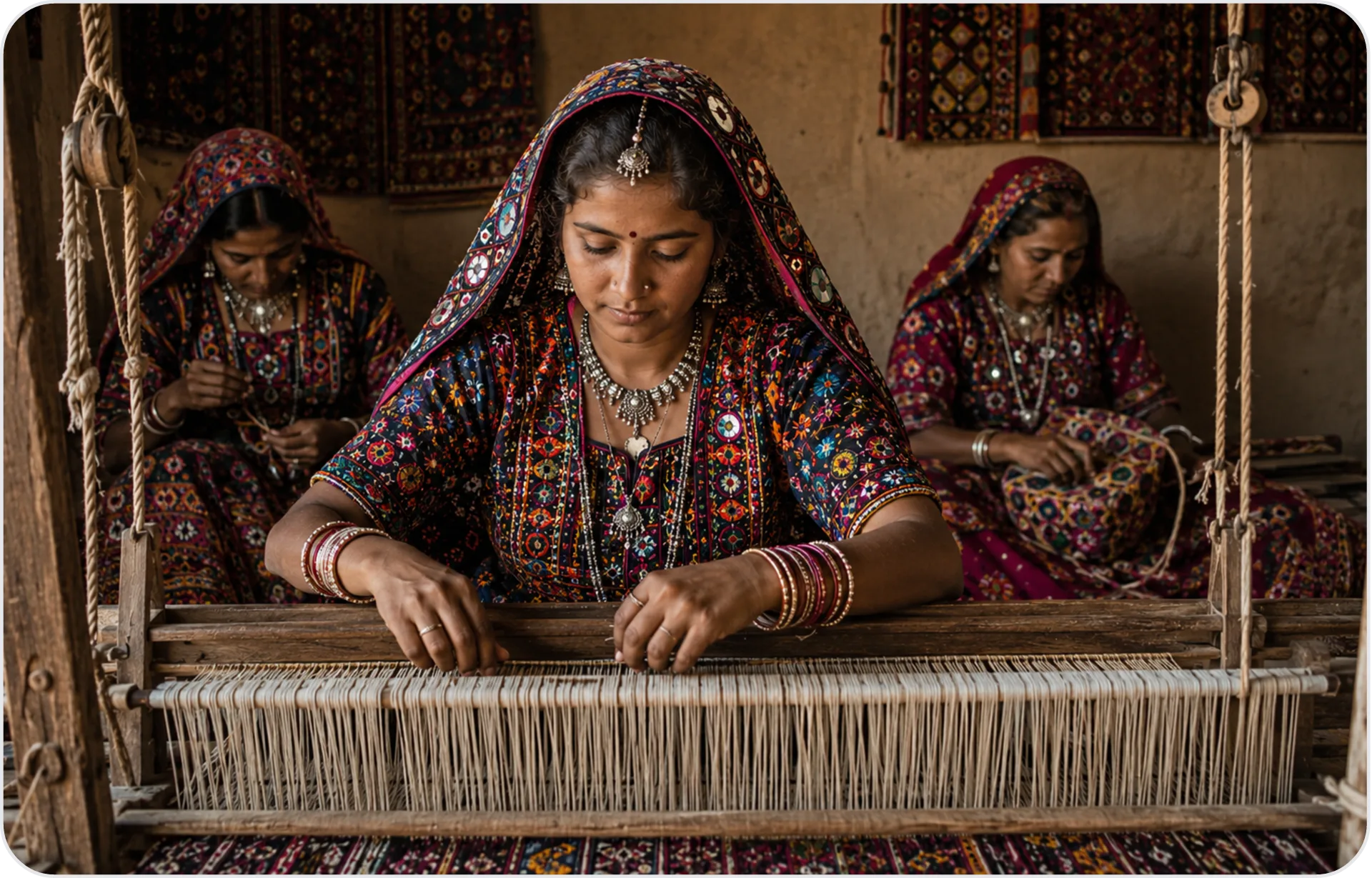
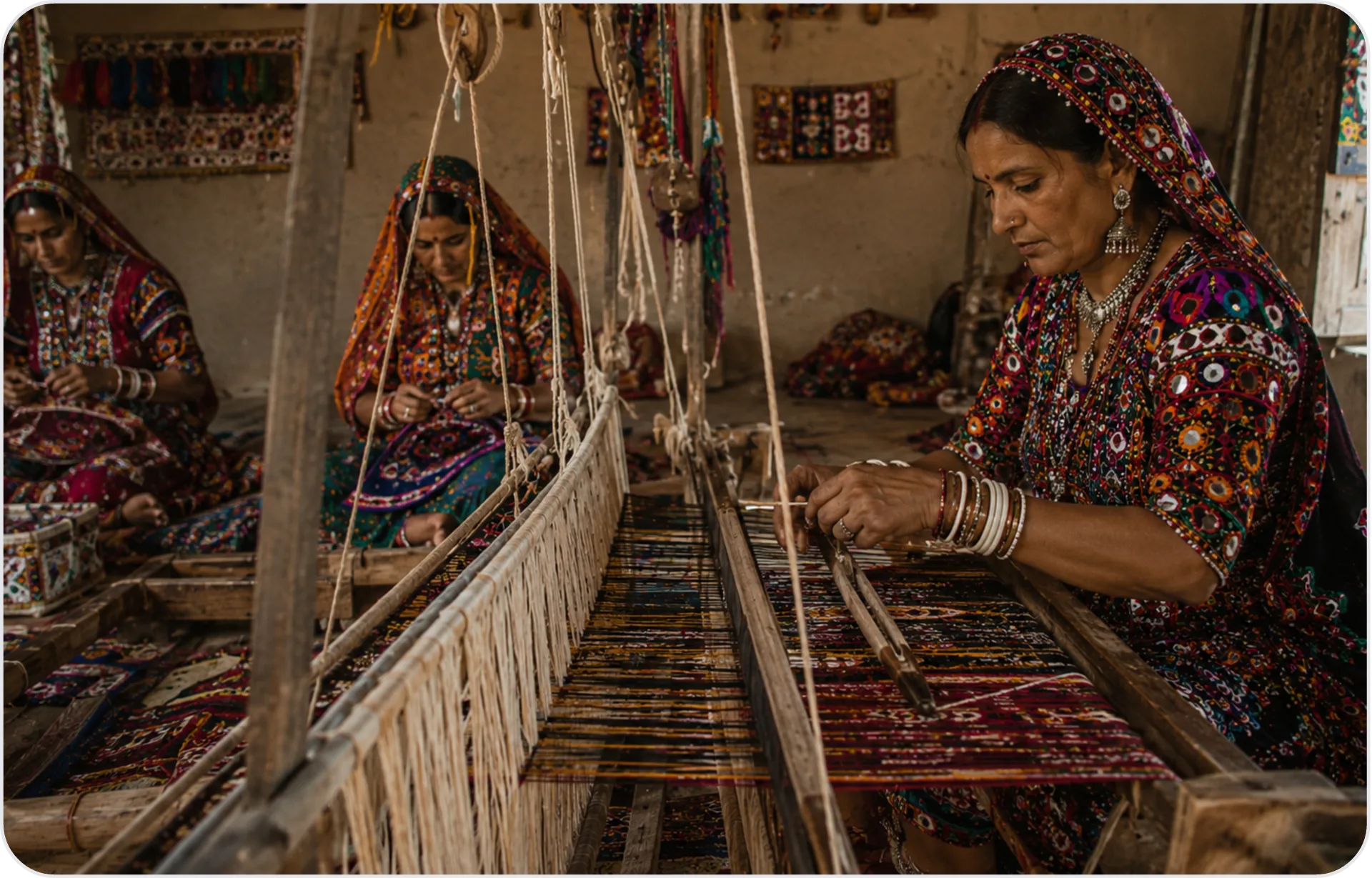
Today, the cooperative employs over 200 women. They manage the finances, design contemporary patterns that appeal to urban sensibilities while retaining traditional roots, and train the next generation.
Impact Beyond Income
- Economic Independence: Women now contribute 60% of their household income.
- Education: Profits fund a local school bus service for the village children.
- Sustainability: The cooperative has shifted entirely to organic cotton and natural dyes.
The revival of Bhuj's weaving tradition is a testament to the power of conscious consumerism. Every time you choose a handwoven scarf over a factory-made one, you aren't just buying a product; you are casting a vote for a heritage, for sustainability, and for the dignity of labor.
As Ramilaben sits at her loom today, her daughter by her side learning the trade, the rhythm of the shuttle sounds different. It no longer sounds like a fading echo of the past, but a bold drumbeat of the future.
Artisan-Made Recommendations
Shop All
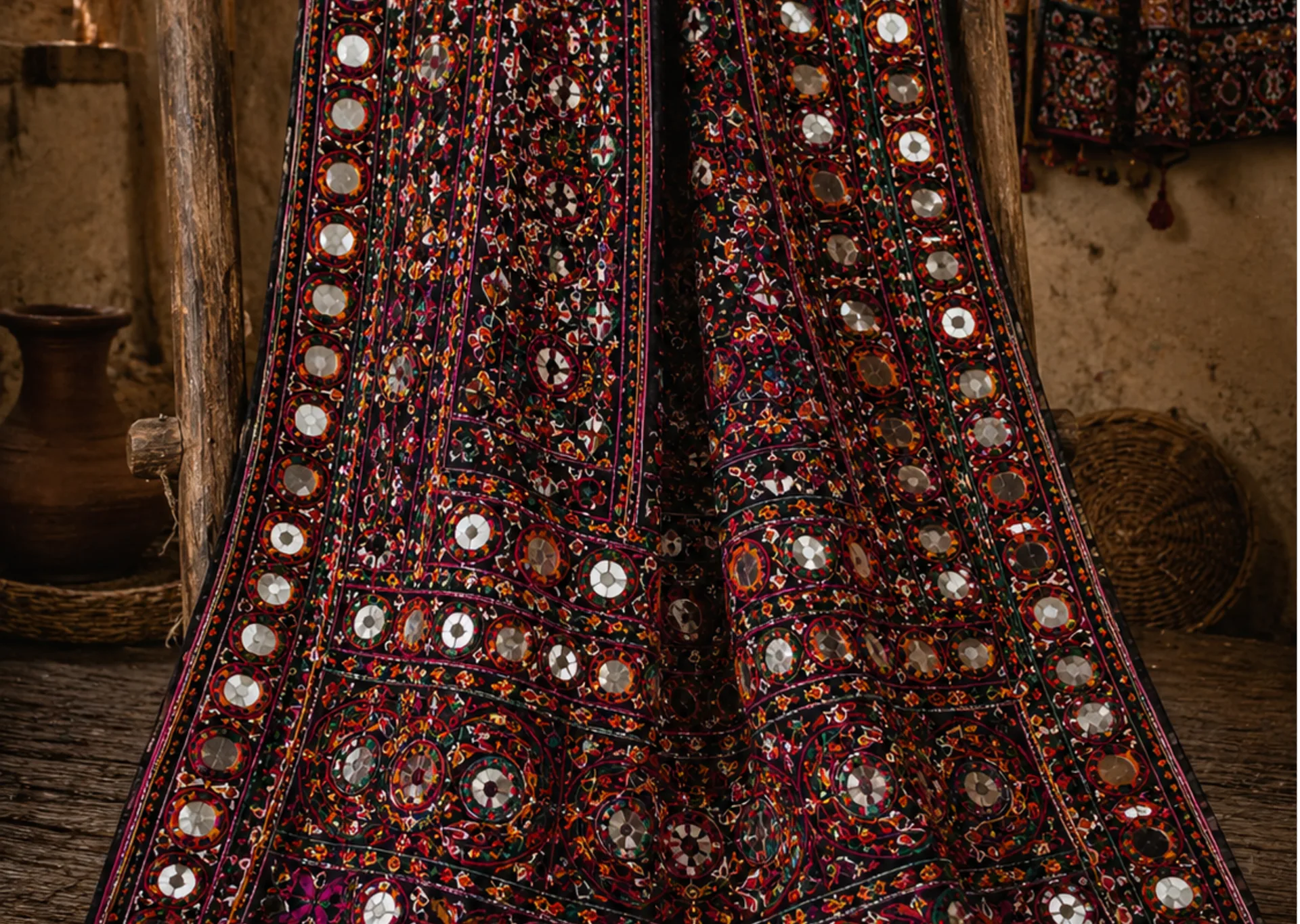
HAND-WOVEN
Traditional Bhujia Scarf
By Ramilaben Vankar
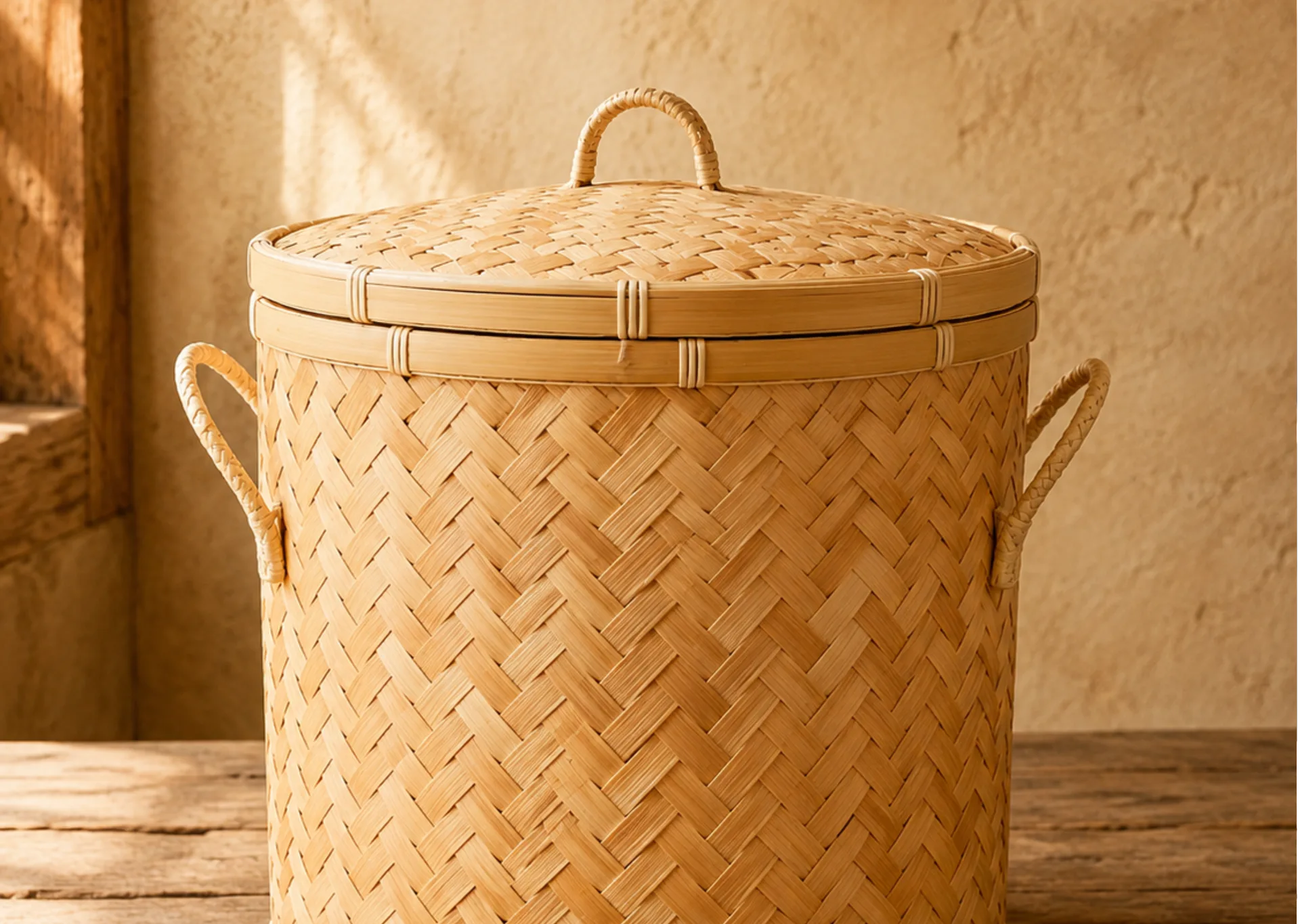
SUSTAINABILITY
Bamboo Storage Basket
By Eco-Craft Collective
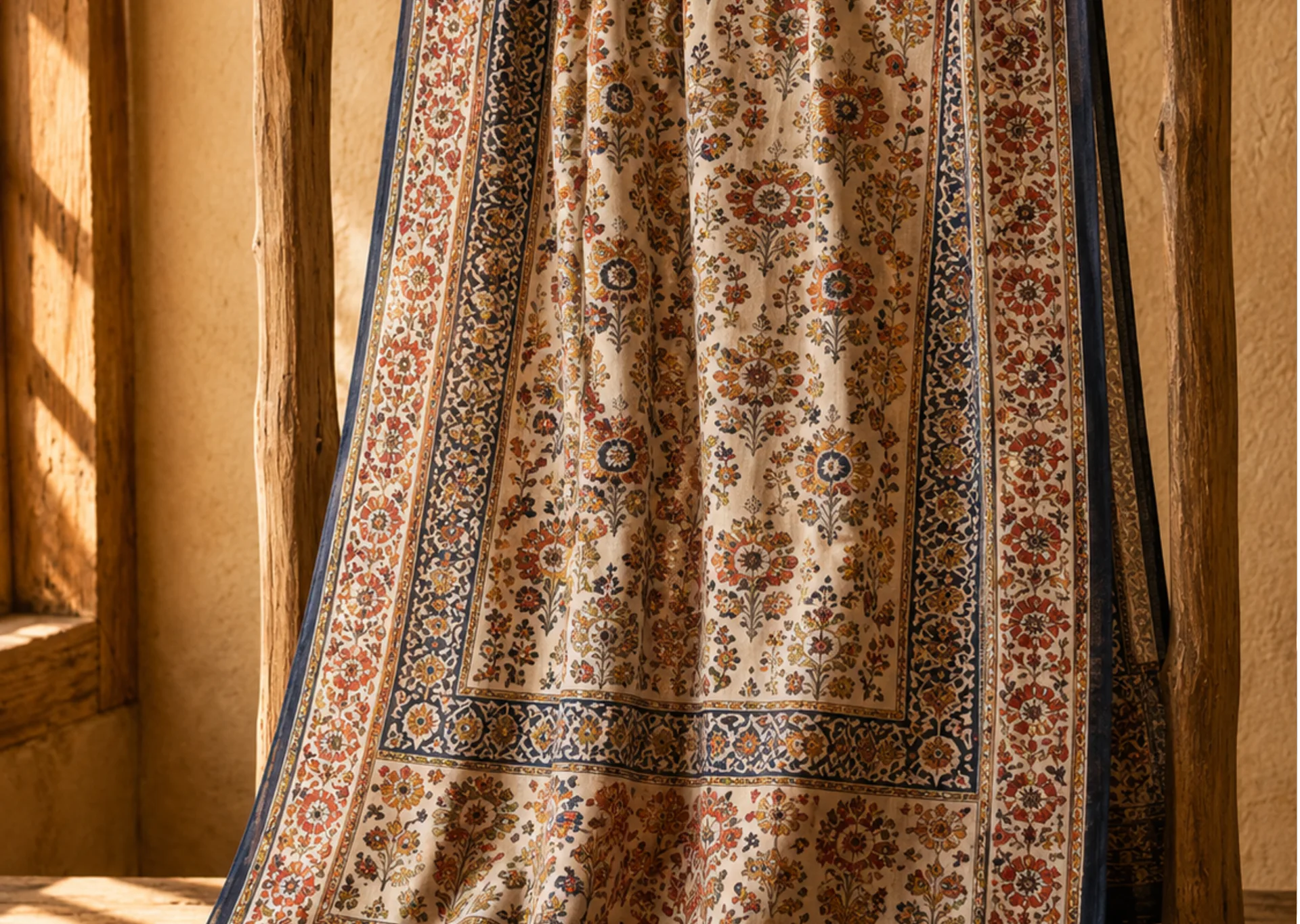
APPAREL
Natural Dye Block Print Stole
By Kutch Craft Society

Yeh soch pasand aayi?
Get more inspiring narratives about artisans and sustainable living delivered directly to your inbox.